Introduction
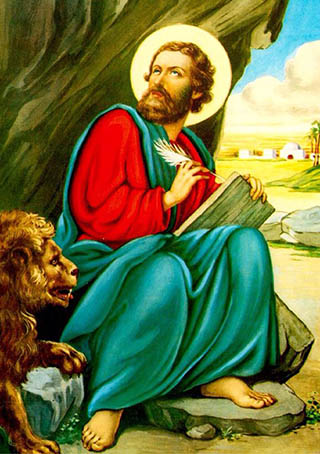
The Coptic Orthodox Church is one of the oldest Christian churches in the world. It was founded by St. Mark the Apostle in Alexandria, Egypt, in the first century. Since then, it has preserved the original Christian faith, traditions, and teachings passed down from the Apostles.
Our Faith
The Coptic Church is rooted in the teachings of the Holy Bible, the Apostolic Fathers, and the Ecumenical Councils. We believe in the Holy Trinity, the Incarnation of our Lord Jesus Christ, His life-giving crucifixion, resurrection, and the promise of eternal life through Him.
Keeping Our Church Open for You
Our Worship
Our Heritage
Today
The Coptic Orthodox Church
The Coptic Orthodox Church has been the church of Egypt since the first century, founded by Saint Mark the Apostle around 60 AD. Saint Mark, one of the 70 Apostles and author of the earliest gospel, was martyred in Alexandria in 68 AD. He also established the famous School of Alexandria, which became a center of Christian theology and sciences.
Since then, the Patriarchs of the Church have continued in succession, with His Holiness Pope Tawadros II now serving as the 118th Pope of Alexandria.
The Glory of the Past
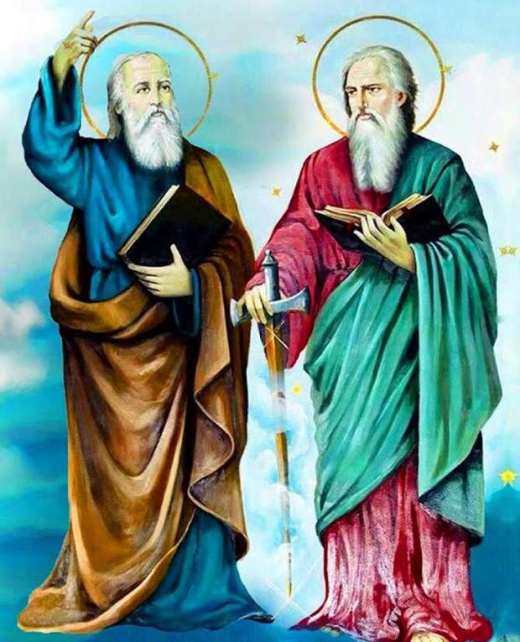
The Coptic Church gave the world great theologians such as St. Athanasius the Apostolic—defender of the Christian Creed at the Council of Nicea—and St. Cyril the Great, who led the Council of Ephesus. Their writings remain foundational in Christian theology until today.
The Church is also the mother of monasticism. Beginning in the deserts of Egypt in the 3rd century, pioneers like St. Anthony the Great, St. Macarius, and St. Pakhomius shaped both hermitic and communal monastic life. From Egypt, monasticism spread worldwide through the writings of St. Athanasius and the visits of early church fathers.
Despite centuries of decline, monasticism remains vibrant. Today there are about 24 monasteries for monks and 11 convents for nuns in Egypt, with others established across the world, housing more than 2,500 monks and nuns.
The Coptic Church in the Orthodox Family
In 451 AD, the Council of Chalcedon caused a split in Christianity. The Coptic Church, along with the Armenian, Syrian, Ethiopian, Eritrean, and Indian Orthodox Churches, became part of the Oriental Orthodox (Non-Chalcedonian) family, which remains united in faith until today.
The Chalcedonian Churches—later known as the Eastern Orthodox Churches—followed the council’s decrees, and over time faced further divisions, leading to the separation of the Catholic Church in 1054 and later the Protestant movement in the 16th century.
Despite differences in rites and traditions, the Coptic Church continues to stand firm within the Oriental Orthodox communion, preserving the ancient faith of Saint Mark.
The Coptic Orthodox Church in Modern Times
- The Coptic Church experienced a strong spiritual revival in the 20th century, built on two pillars: teaching and liturgical prayer.
- Teaching was renewed through Archdeacon Habib Girgis (1876–1951), founder of the modern Sunday School movement and teacher of future leaders, including Pope Shenouda III.
- Liturgical prayer was revived under Pope Cyril VI (1959–1971), known for his deep spirituality and miracles. He encouraged daily liturgies, transforming churches into vibrant centers of worship and prayer.
- Today, the Coptic liturgy—rich with scripture, hymns, and sermons—remains the heartbeat of the Church, nurturing the faith of millions.
Immigration and the growth of the Coptic Church
Since the 1960s, millions of Copts have immigrated to North America, Europe, Australia, and beyond. Today, there are about 2 million Copts abroad, served by nearly 550 churches worldwide, alongside 2,500 churches in Egypt. The Church has over 110 bishops and 3,700 priests serving its growing community.
The Coptic Church remains a Cross-bearing Church, enduring centuries of persecution yet standing firm in faith. Rooted in prayer, fasting, and the witness of martyrs, she continues to grow and testify to Christ across the world.
Finally, we cannot forget that the Coptic Orthodox Church has always been a Cross-bearing Church. It is a Church that has endured suffering; nonetheless, she is continuously growing despite all the tribulations. She offered martyrs for Christ throughout the ages from the Roman era to the Islamic era and until today. The Church believes that the blood of the martyrs is the seed of faith. Despite the suffering and the harsh persecution that she went through over the ages and the onslaughts of eradication, she is still steadfast and strong, being firm in the Biblical commandments and the spirit of worship. She has always been nourished and revived spiritually through fasting and prayer which allows her to navigate through the violent storms, witnessing to her living God through the ages and everywhere.